Tuckpointing & Repointing Services
Restore strength and beauty to your masonry with expert tuckpointing that protects your investment for decades.
What is Tuckpointing and Why Does It Matter?
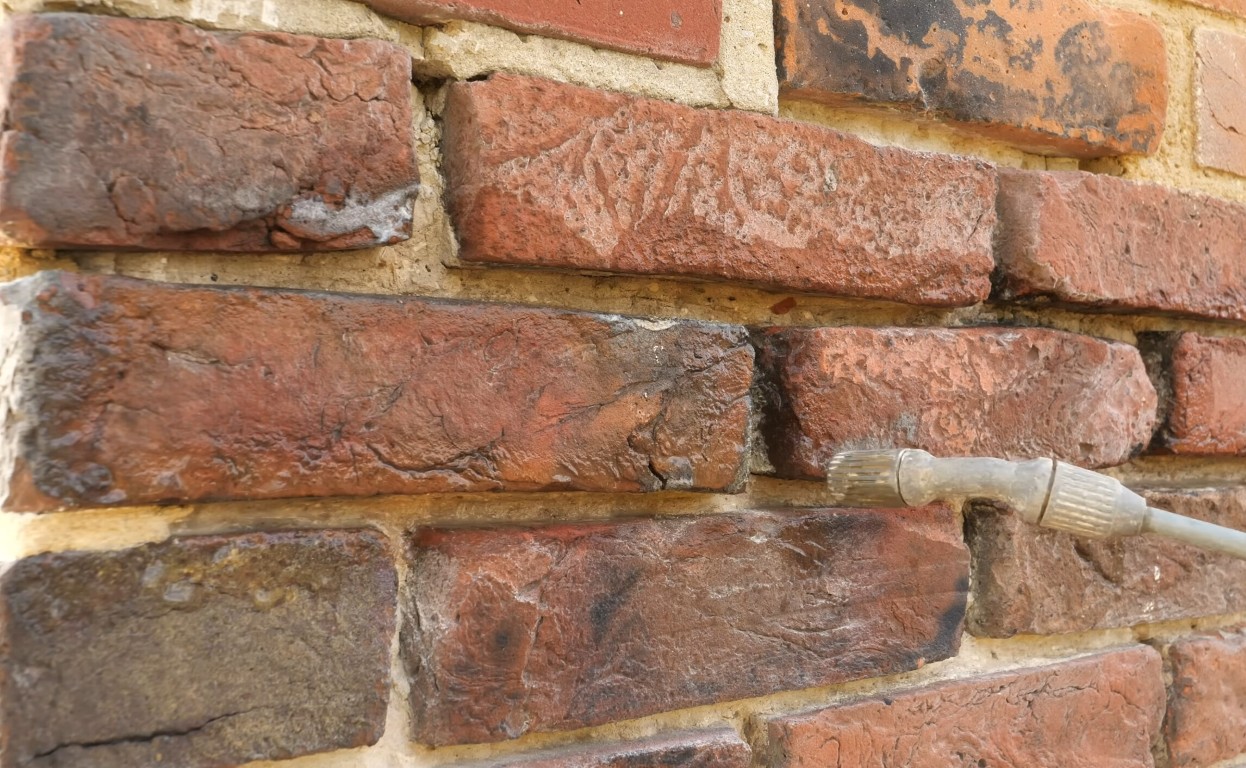
Tuckpointing is the process of removing damaged or deteriorating mortar from the joints between bricks and replacing it with fresh mortar. The name comes from the technique of tucking a thin line of contrasting mortar into the joint for a clean, finished look. In practice, most people use the terms tuckpointing and repointing interchangeably to describe restoring mortar joints.
Your mortar joints do critical work. They hold bricks together, create a weatherproof seal, and allow slight movement without cracking the bricks. But mortar has a shorter lifespan than brick. While bricks can last over a century, mortar typically needs replacement every 25 to 30 years, sometimes sooner in harsh climates like ours here in Ann Arbor.
When mortar fails, several problems follow quickly. Water seeps into walls and causes interior damage. Bricks become loose and can fall out. Walls lose structural integrity. What starts as cosmetic crumbling turns into expensive repairs if you wait too long. Professional tuckpointing stops this damage cycle and extends the life of your masonry by decades.
How to Know When You Need Tuckpointing
Most homeowners do not think about their mortar until problems become obvious. Here are the warning signs that mean you need tuckpointing soon:
- Crumbling Mortar: If you can scrape out mortar easily with a key or screwdriver, it has lost strength and needs replacement. Healthy mortar is hard and resists scratching.
- Cracks in Joints: Hairline cracks in mortar let water penetrate your walls. These cracks widen during freeze-thaw cycles and accelerate deterioration.
- Gaps Between Bricks and Mortar: When mortar pulls away from bricks, it creates channels for water intrusion. You might see gaps or hollow spaces in the joints.
- White Staining (Efflorescence): Those white, powdery deposits on your bricks indicate water is moving through your masonry. This is often a sign that mortar joints have failed.
- Water Damage Inside: If you see water stains, mold, or dampness on interior walls near brick exteriors, your mortar joints may be letting water through.
- Loose or Missing Bricks: When mortar fails completely, bricks become loose or fall out. This is an urgent safety issue that requires immediate attention.
Do not wait until bricks start falling. Early tuckpointing costs a fraction of what you will pay for extensive brick repairs and interior water damage remediation.
Our Professional Tuckpointing Process
Step One: Assessment and Mortar Analysis
We start by examining your masonry to determine the extent of damage and identify the original mortar type. Historic buildings often used lime-based mortars that require special matching. We test hardness, analyze color and texture, and sometimes send samples to labs for exact composition. Using the wrong mortar causes more problems than it solves.
Step Two: Careful Mortar Removal
We remove old mortar to a depth of at least three-quarters of an inch, sometimes deeper for structural joints. We use specialized grinders and hand tools to avoid damaging bricks. This is skilled work. Careless grinding can chip brick edges or weaken the wall structure. We take our time to do it right.
Step Three: Cleaning and Preparation
After removing old mortar, we clean out dust and debris from joints using compressed air and wire brushes. Clean joints ensure proper bonding between new mortar and old bricks. We also dampen the joints before applying fresh mortar so bricks do not suck moisture out of the new mortar too quickly.
Step Four: Mortar Application and Tooling
We mix mortar in small batches to maintain consistent color and workability. We pack mortar firmly into joints, ensuring no air pockets or gaps remain. Then we tool the joints to match your existing profile, whether that is concave, weathered, or flush. Proper tooling compresses the mortar and creates a water-shedding surface. This attention to detail makes our work blend seamlessly with existing masonry.
Step Five: Curing and Protection
Fresh mortar needs time to cure properly. We protect new work from rapid drying, freezing, and rain. Proper curing takes several days and is critical for long-term durability. We also clean any mortar smears from brick faces once everything has cured. If you need chimney repairs, we often combine that work with tuckpointing for complete restoration.
Frequently Asked Questions
Ready to Restore Your Mortar Joints?
Get a free tuckpointing estimate from Ann Arbor's masonry specialists.